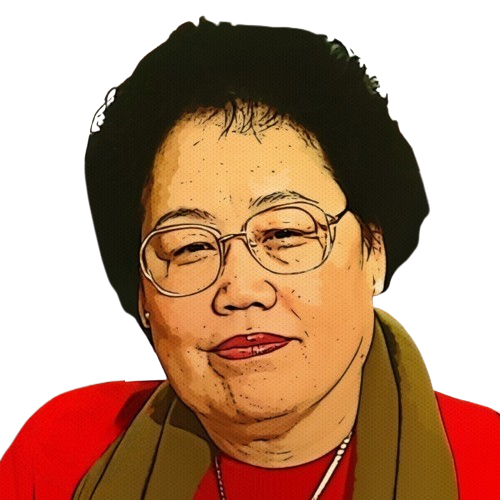
The journey of Chan Laiwa is nothing short of legendary, a compelling narrative that begins in the throes of poverty and culminates in an estimated Chan Laiwa net worth of $4.1 billion. Born into a world of upheaval despite noble lineage, her rise to become one of China's most formidable real estate magnates and a prominent cultural figure serves as a powerful testament to resilience, foresight, and an unwavering entrepreneurial spirit. Her story is a vivid example of a true rags-to-riches transformation, demonstrating how sheer determination can forge an empire from the most challenging beginnings.
Today, Chan Laiwa stands as the founder and chairwoman of Fuwah International Group, a diversified conglomerate that has shaped much of Beijing's commercial landscape. Beyond her immense business success, she is celebrated for her profound commitment to traditional Chinese arts, particularly her efforts in preserving the intricate craft of red sandalwood. This article delves into the remarkable life of Chan Laiwa, exploring the pivotal moments that contributed to her staggering fortune and enduring legacy.
The Genesis of Resilience: From Nobility to Poverty
Chan Laiwa's origins are a poignant paradox. Born in Beijing's historic Summer Palace in 1941, she was a descendant of the illustrious Manchu Yellow Banner Clan, a noble family with deep roots in Chinese imperial history. However, her birth coincided with an era of immense turmoil in China. The Qing Dynasty, which her ancestors had served, had fallen three decades prior, and the country was in the grip of the Second Sino-Japanese War. This violent and unstable period led to the collapse of her once-prominent family, plunging young Chan Laiwa into severe poverty.
Growing up amidst such hardship forged in her an extraordinary sense of determination and self-reliance. Faced with meagre living conditions, she was compelled to leave high school prematurely to contribute to her family's survival. This early departure from formal education, far from being a setback, became the crucible in which her entrepreneurial spirit was first kindled. She embarked on a humble furniture repair business, meticulously restoring old pieces and selling them. This initial venture, born out of necessity, not only provided a livelihood but also honed her business acumen, teaching her the value of hard work, negotiation, and identifying market demand. It was here, in the practical world of mending and making, that the foundations of her future empire were subtly laid.
- Early Life Lessons:
- Forced to leave high school due to poverty.
- Started a furniture repair business, demonstrating early entrepreneurial drive.
- Learned the value of resourcefulness and hard work from a young age.
Building an Empire: From Hong Kong Villas to Beijing Skyscrapers
The early success of her furniture business provided Chan Laiwa with a crucial springboard. Recognizing opportunities beyond her immediate surroundings, she made a strategic move to Hong Kong in the early 1980s. This period proved instrumental in accumulating significant capital. Her shrewd business sense allowed her to translate her modest earnings into substantial investments, eventually enabling her to purchase an impressive 12 villas in the bustling city. This move was a critical turning point, signifying her astute ability to identify high-growth assets and multiply her wealth.
By the end of the 1980s, with a substantial personal fortune amassed, Chan Laiwa returned to her native Beijing. This return marked the beginning of her formidable foray into the real estate market. In the early 1990s, she officially established the Fuwah International Group, which quickly grew to become one of Beijing's largest commercial property developers. Fuwah's portfolio is expansive, encompassing a wide array of prestigious projects that have redefined Beijing's urban landscape. However, Chan Laiwa's vision extended far beyond just real estate. Under her leadership, Fuwah International Group diversified its activities into various sectors including agriculture, tourism, electronics, hospitality, and even the intricate production of red sandalwood art. This strategic diversification not only mitigated risk but also capitalized on the burgeoning economic growth of China.
Today, Chan Laiwa still serves as the Chairwoman of Fuwah International Group, overseeing an empire that contributes significantly to her current Chan Laiwa net worth, which stands at an estimated $4.1 billion, although some reports have placed it higher at $6.1 billion at different points. This impressive figure firmly places her among the elite, not just in China but globally, as one of the world's most successful self-made billionaires. Her journey from mending furniture to orchestrating multi-billion dollar real estate developments is a testament to her extraordinary business acumen and unwavering drive. For a deeper dive into her vast business holdings, read more about Inside Chan Laiwa's $4.1 Billion Empire: Real Estate and Cultural Legacy.
A Self-Made Billionaire with a Royal Status
Chan Laiwa's ascent is remarkable not only for the scale of her success but also for the context in which it was achieved. She is celebrated as one of only a handful of self-made female billionaires worldwide, a distinction that underscores her exceptional drive and ability to navigate a traditionally male-dominated business landscape. This achievement, particularly in a developing economy, highlights her unique blend of courage, strategic thinking, and relentless execution.
Despite being born into poverty, her Manchu royal heritage seems to have instilled in her a sense of grandeur and purpose that transcends mere wealth accumulation. Many observers note that her current status as one of China's wealthiest individuals has, in a way, returned her to a "royal status," albeit one earned through sheer entrepreneurial might rather than birthright. Her influence extends beyond her vast wealth; she is a prominent figure in Chinese society, embodying a modern success story while deeply respecting tradition.
Chan Laiwa is also a family woman, married with a son and two daughters. In recent years, she has strategically handed over the daily management responsibilities of Fuwah International Group to her son. This thoughtful succession planning ensures the continued prosperity of her empire while allowing her to devote more time and energy to her deep-seated passions. This transition exemplifies a balanced approach to leadership – building a robust legacy and ensuring its future, while also pursuing personal fulfillment. To understand more about the strategies she employed, explore Chan Laiwa: How a Self-Made Billionaire Built Her Empire from Scratch.
Tips for Aspiring Entrepreneurs:
- Strategic Delegation: Understand when to empower trusted family members or key executives to take on daily operations, allowing you to focus on strategic vision or passion projects.
- Visionary Leadership: Always look for growth opportunities and be prepared to diversify. Chan Laiwa didn't stop at real estate; she expanded into multiple thriving sectors.
- Build a Strong Foundation: Her early furniture business taught her valuable practical skills that transferred to larger ventures. Don't underestimate the lessons from initial, smaller successes.
Beyond Business: Philanthropy, Culture, and Diplomacy
While her business acumen built her fortune, Chan Laiwa's heart lies in the preservation and promotion of traditional Chinese arts and culture. Her particular passion for red sandalwood art stems from a deep appreciation for its intricate beauty and historical significance. This passion culminated in the establishment of the China Red Sandalwood Museum in 1999, a magnificent institution where she also serves as curator. Remarkably, she even chooses to live within the museum, reflecting her profound dedication to its mission. The museum is not merely a collection; it's a living testament to her commitment to reviving and sustaining this ancient craft, which requires immense skill and patience.
Her efforts in cultural preservation have earned her recognition as one of China's "cultural diplomats." Through her museum and various initiatives, she plays a vital role in showcasing Chinese heritage to the world, fostering cross-cultural understanding and appreciation. Chan Laiwa's philosophy extends beyond art and business into the very fabric of society. She articulates a profound perspective on motherhood, viewing its obligations not just towards one's own children but also towards society, country, and employees. "A mother's job is critical in any society and if she is sincere, her love and compassion will be returned to her by others in her time of need," she once stated, emphasizing the universal values of loyalty, love, and perseverance. She views her duties as a loving mother as extending to her country and business, underscoring her belief that "it all boils down to one word – loyalty." This deeply ingrained ethical framework guides her philanthropic endeavors and cultural patronage, reflecting a holistic view of success that encompasses wealth, heritage, and social responsibility.
The philanthropic aspect of her life, including reportedly her son's lavish purchase of a racehorse, serves as a powerful symbol of her family's return to a form of royalty, but one that is also mindful of its obligations and ability to give back to society.
Chan Laiwa's life story is an extraordinary saga of triumph over adversity, a compelling example of how a sharp mind and an indomitable will can overcome any obstacle. From the poverty-stricken streets of Beijing to the pinnacle of commercial success, her Chan Laiwa net worth of $4.1 billion is more than just a number; it is a symbol of her resilience, her strategic genius, and her profound dedication to both her heritage and her vision for the future. Her legacy is not only etched in the skylines of Beijing but also in the delicate carvings of red sandalwood and the hearts of those she inspires. She stands as a beacon of entrepreneurial spirit, cultural preservation, and a testament to the power of a life lived with purpose and unwavering loyalty.